
Daily self-reflection is the practice of pausing to look at your thoughts, emotions, actions, habits, and choices.
Rather than rushing through each day without checking in with yourself, take a moment to reflect on what is happening inside you and around you.
Self-awareness plays an important role in intentional living.
When you pay attention to your thoughts and actions, you begin to see why you make certain choices, why you react in certain ways, and what you truly want.
Clarity like that can help you make decisions that better match your values, goals, and personal needs.
You may get through a full day without stopping to consider how your time, energy, and choices match the direction you want your life to go.
Simple Ways to Practice Self-Reflection

Daily self-reflection works best when it feels simple enough to repeat. You do not need a perfect routine, special tools, or long writing sessions.
A small habit can still help you notice your thoughts, emotions, choices, and patterns with more honesty.
Choose a Format You Can Keep Using
Keeping a daily journal is one of the simplest ways to practice self-reflection. A notebook, notes app, spreadsheet, or voice memo can all work.
Format matters less than building a steady habit of paying attention, writing things down, and giving yourself a regular place to think honestly.
Useful formats can include:
- A paper notebook for private thoughts
- A notes app for quick check-ins
- A spreadsheet for mood, sleep, and energy tracking
- A voice memo for days when writing feels hard
Set a Regular Time
Setting a regular time can make reflection easier to maintain. Nightly wind-down time works well for many people because it gives you a chance to look back on your day before going to sleep.
A reminder on your phone or calendar can help until the habit feels natural.
Five to ten minutes is enough for a daily check-in. Reflection does not need to become a long assignment.
A short, honest review of your mood, choices, and experiences can be more useful than an overly detailed process that feels too hard to keep doing.
Try New Things
Trying new things can also help you learn more about yourself.
New experiences can show you what you enjoy, what excites you, and what gives your life meaning.
New experiences may include:
- Taking a class
- Starting a hobby
- Reading a different type of book
- Having a meaningful conversation
- Volunteering
- Changing part of your routine
Tools such as a Personal Astrologer AI can also give you prompts for thinking about love, work, timing, relationships, and personal patterns.
Track Mood, Energy, and Sleep

Tracking mood, energy, and sleep can help you notice patterns. Poor sleep may affect patience, focus, or motivation. Low energy may make ordinary tasks feel harder.
A simple daily rating can help you connect how you feel with rest, stress, habits, and daily events.
A quick daily tracker can ask for simple ratings such as:
- Mood level
- Energy level
- Sleep quality
- Stress level
- Motivation level
Practice Gratitude
Practicing gratitude can make reflection more positive and balanced. Writing down one good thing each day can help you notice small moments that might otherwise pass by.
A good thing can be simple, such as finishing a task, laughing with someone, taking a walk, or enjoying a peaceful moment.
Gratitude also supports joy because it asks you to notice and appreciate what is already present in your life. Over time, small positive moments may become easier to recognize.
Use Journaling to Ask Better Questions
Journaling can help you ask better questions. You can use it to explore emotions, sort through confusing thoughts, and notice repeated themes in your life.
Over time, your entries may show patterns in your relationships, routines, stress, motivation, and goals.
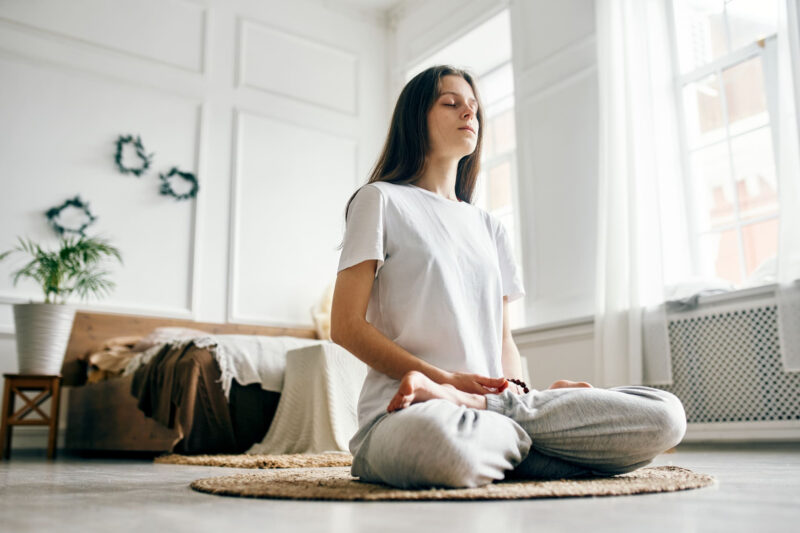
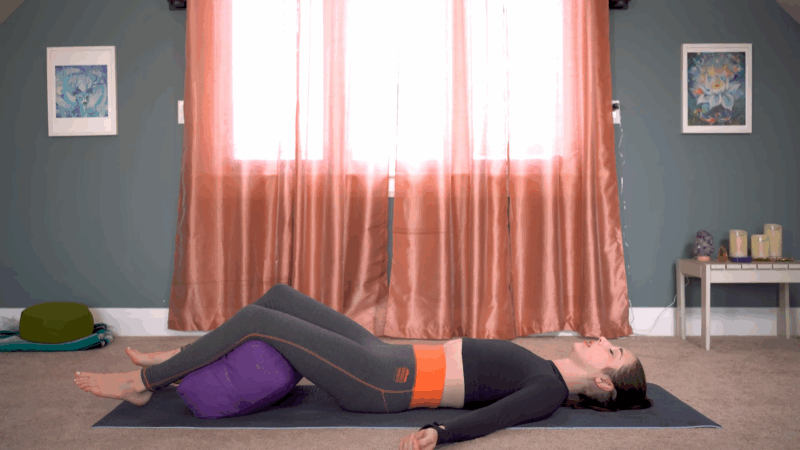
Mindfulness, meditation, or deep breathing can create mental clarity before reflection.
A few slow breaths can help you settle your thoughts and notice your emotions with less judgment. When your mind feels calmer, it can be easier to reflect honestly.
Benefits of Daily Self-Reflection

Daily self-reflection can help you notice parts of your life that are easy to miss during a busy day.
As you pay closer attention, you may begin to see patterns in your emotions, habits, choices, and reactions.
Builds Self-Awareness
Daily self-reflection builds self-awareness by helping you notice what usually goes unseen.
You can begin to recognize how you feel throughout the day, how your emotions change before and after certain events, and what your thought process looks like when you make decisions.
Self-awareness can help you notice:
- Feelings that repeat during certain parts of your day
- Emotional changes after conversations or tasks
- Thoughts that shape your decisions
- Automatic reactions in stressful moments
- Daily habits that affect your well-being
Awareness can help you stop repeating emotional and behavioral patterns without thinking.
For example, you may notice that you become tense after certain conversations, lose motivation when you skip sleep, or react quickly when you feel criticized.
Once you see a pattern clearly, you have a better chance of responding in a healthier way.
Encourages Gratitude and Joy
Reflection can also encourage gratitude and joy. Gratitude asks you to notice and appreciate what is already present in your life.
A kind message, a quiet morning, a good meal, or a small success can become easier to value when you pause to acknowledge it.
Paying attention to small positive moments can help joy feel more available in everyday life.
Supports Better Decisions
Better decision-making is another benefit of self-reflection.
When you take time to think about your actions and results, you can use what you notice to make more intentional choices.
Instead of reacting only in the moment, you can consider what worked, what did not work, and what choice may support your goals next time.
Reflection can help you identify strengths, weaknesses, and areas for growth. You may realize that you handle pressure well, communicate clearly, or stay committed once you set a goal.
You may also see areas where you need support, better boundaries, more patience, or a different routine.
Helps You Handle Challenges

Challenges can become easier to handle when you reflect on them.
Looking back allows you to ask what helped, what made things harder, and what you could do differently next time.
Helpful questions after a challenge can include:
- What helped me get through it?
- What made it harder?
- What did I learn?
- What can I try next time?
- What support would have helped?
Over time, small lessons can help you become more confident when facing problems.
Improves Emotional Intelligence
Emotional intelligence can also improve through daily reflection.
When you know your own emotions more clearly, you can respond more thoughtfully to other people.
You may become better at recognizing when you need a pause, when someone else needs patience, or when a conversation needs more care.
Personal values, strengths, goals, and priorities become clearer through reflection. Values can reveal a lot about your nature and can help clarify the kind of life you want to create.
When you know what matters most to you, it becomes easier to make choices that support your well-being and long-term direction.
Summary
Daily self-reflection is a simple habit that helps you learn more about yourself by paying attention to your thoughts, emotions, actions, values, and goals.
A few quiet minutes each day can help you notice patterns, clarify priorities, and make choices with more care.
Reflection is not about criticizing yourself. It is about noticing, learning, and choosing more intentionally.
When you approach yourself with honesty and patience, reflection can become a supportive tool instead of a source of pressure.